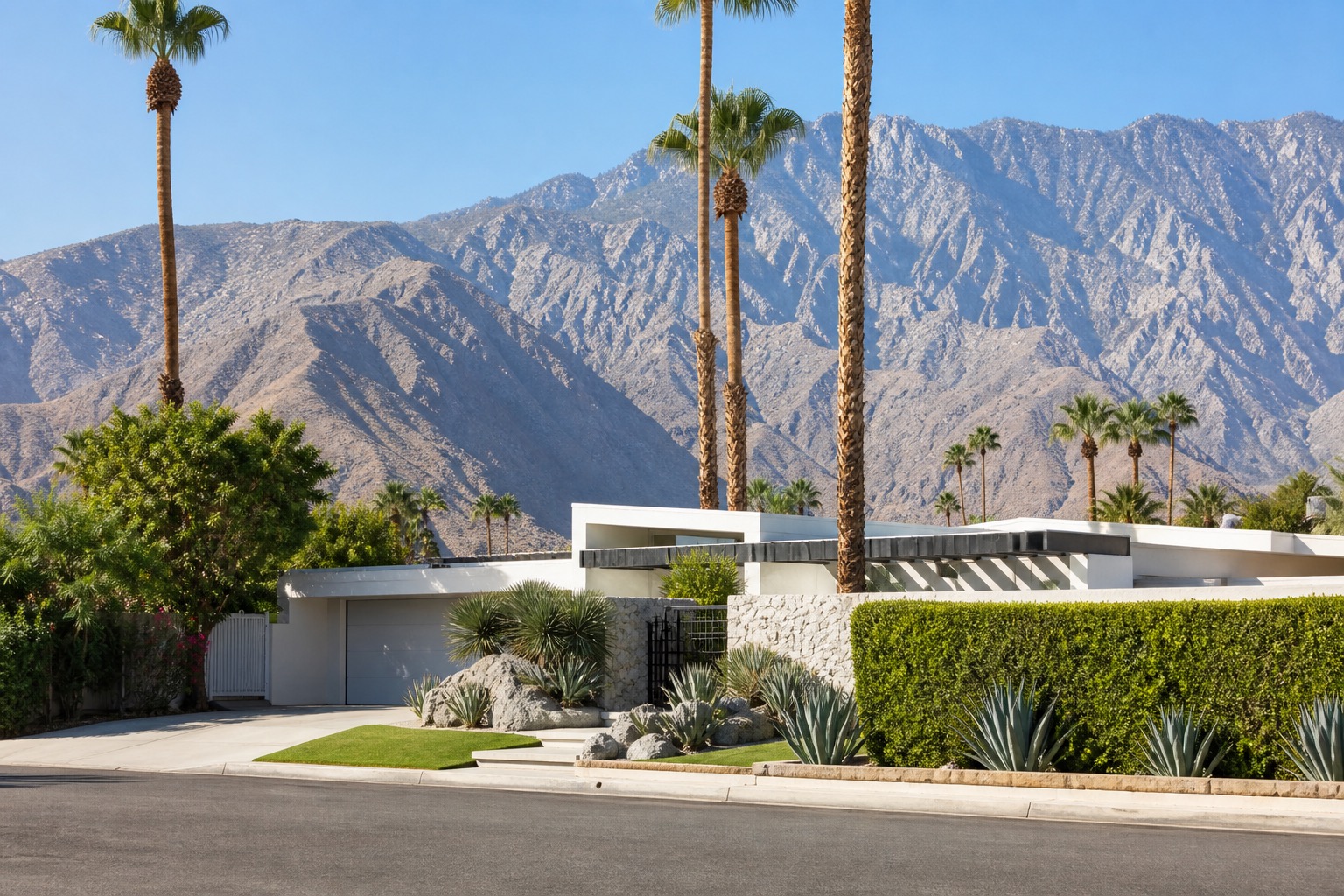
Treat Palm Springs as a place to experience, not a checklist to finish. A grounded first plan should balance modernist neighborhoods and desert design with one cooler high-elevation or early-morning landscape outing. With that structure in place, optional stops can move without sacrificing the character of the trip.
Plan Palm Springs by area and travel time
Keep downtown, architecture and museum stops together. Reserve a separate block for the aerial tramway or a Joshua Tree excursion, accounting for the substantial change in elevation and driving.
Compare this structure with Palm Springs in Three Days: Modernism, the Tram & Joshua Tree. Its value is in the sequence and pacing; travelers should still make room for slower meals, changing conditions and the places that matter most to them.
Heat should shape the day rather than appear as a footnote. Put outdoor walking early, protect midday for shade or interiors and verify tram and park conditions. Before locking the calendar, verify current hours, closures and transport with the responsible local authority rather than relying on an older itinerary.
Understand what makes Palm Springs worth the trip
Pool time can be a legitimate part of the itinerary. Add design, Indigenous history and local food without overloading a restorative desert stay.
Carry more water than expected and never leave people or pets in parked vehicles.
The itinerary should bend without becoming generic, so keep a nearby alternative with the same purpose. Review Palm Springs Desert Nature & Joshua Tree and shape a Palm Springs trip around what the group would genuinely regret missing.