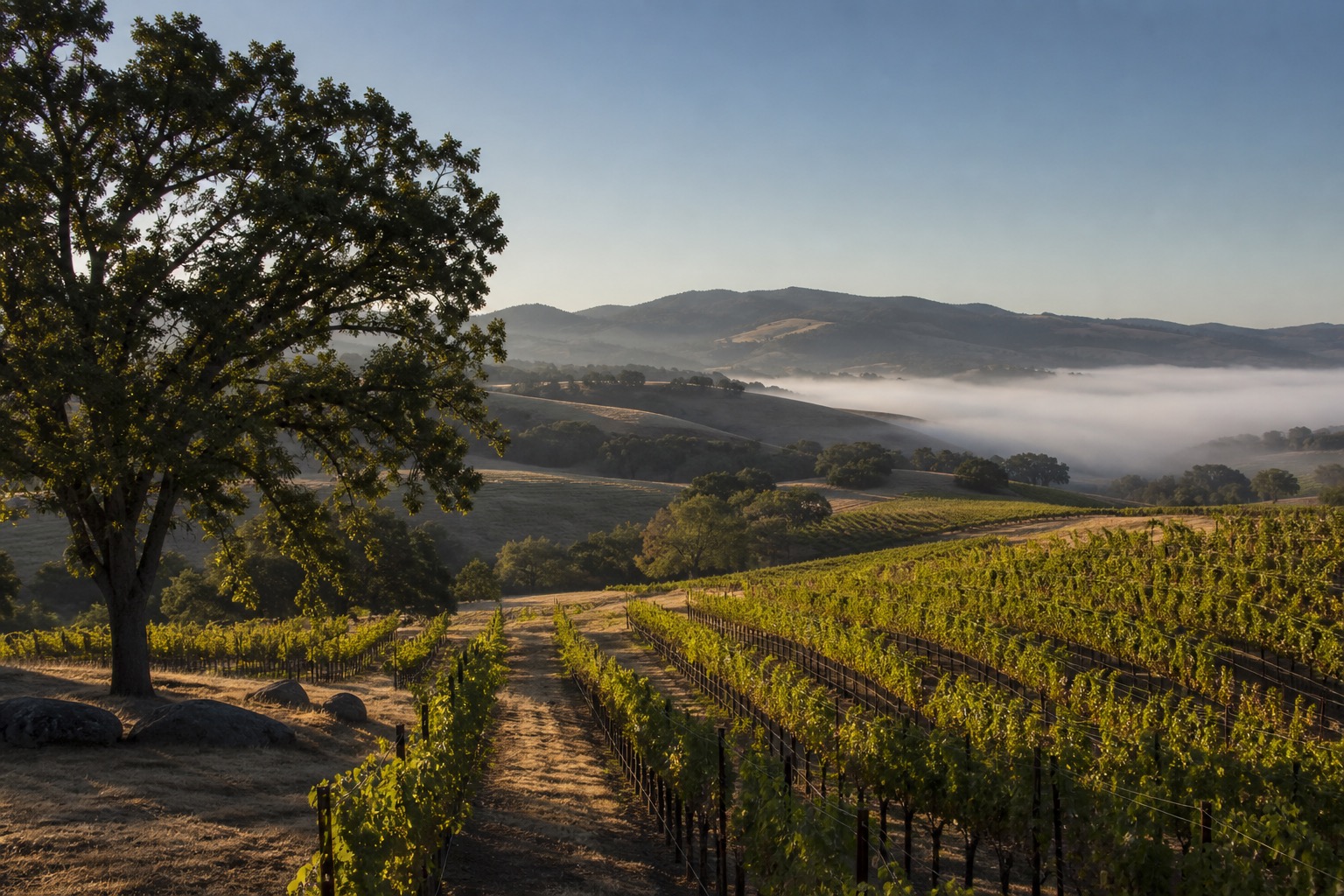
Paso Robles rewards travelers who edit as carefully as they research. The practical starting point is to organize a broad rural wine region by corridor while preserving time for the town square, olive country and nearby coast. It creates a route with a point of view while preserving enough margin for the destination to feel lived in rather than processed.
Plan Paso Robles by area and travel time
Keep downtown and east-side stops together, then devote a separate day to a west-side corridor or a coastal extension. Several spaced appointments are more realistic than a dense list across the appellation.
Use Paso Robles in Three Days: The Wineries, the Olive Oil & the Springs to see one credible way through the destination. Keep the geographic logic, then adjust the density so transfers do not consume the attention the trip was meant to create.
A designated driver is essential outside the town core. Check appointments, event weekends and heat before setting the route. The route should remain provisional until current local or park notices confirm that its key access assumptions still hold.
Understand what makes Paso Robles worth the trip
Hot springs, farms, architecture and food offer meaningful alternatives to tasting. A coast day can work, but it should not be squeezed between timed reservations.
Avoid impaired driving and keep water, shade and wildfire awareness in the plan.
Build in one alternative that protects the experience rather than merely filling time. The shortlist in Paso Robles Beyond the Wine can support a personal Paso Robles plan grounded in pace, interests and practical constraints.